


Stay ahead of supply-side issues and market driven price increases. Important insights and market updates delivered weekly.




An elevated cattle harvest and heavier carcass weights are keeping most beef cuts steady to lower ahead of roasting season.
Cheese prices rallied sharply this week even as domestic inventories remain high.
Lettuce markets are firming as fall growing areas wind down ahead of the winter transition.
New and pending tariff applications are impacting several product categories, particularly seafood, oils, and canned goods. If you have specific questions about how these changes could affect your operation, please contact your Palmer representative for more information.
Near Term Pricing: Steady to Decreasing
Supply vs. Demand: Available – Strong
The Choice cutout inched lower as an elevated harvest and seasonally heavier carcass weights held most prices steady to slightly lower. Fed steer prices have now declined four straight months, and 2026 beef imports are forecast up nearly 18%. USDA trimmed its 2027 beef production outlook.
Near Term Pricing: Steady to Decreasing
Supply vs. Demand: Available – Steady
Chuck held steady as returning retail demand kept chuck roll and clod inventories in line, while brisket softened below year-ago levels. Rounds slipped on heavier weights and growing box inventories, though cooler weather should lift roast demand. Ground beef held steady.
Near Term Pricing: Steady to Decreasing
Supply vs. Demand: Available – Mixed
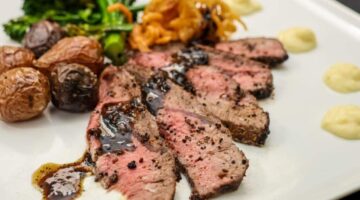
Ribs held mainly steady near record levels but could ease as demand softens; light ribeyes remain tight while heavies are available. Loins moved lower, with top sirloin at a 52-week low and excess strip loin inventory weighing on prices. Tenderloin may see holiday demand.
Near Term Pricing: Steady to Decreasing
Supply vs. Demand: Available – Steady
CME butter closed the week slightly lower as churns build holiday supplies. In the East, production and demand are steady with cream readily available. National 80% butterfat inventories remain high, and USDA lowered its 2026 and 2027 butter price forecasts.
Near Term Pricing: Increasing
Supply vs. Demand: Available – Steady
CME blocks and barrels rallied sharply on the week, though inventories remain high and cheddar loads are readily available. Mozzarella demand is strong, while foodservice demand is soft nationally. Eastern production and demand are steady, and tight European stocks point to firmer prices overseas.
Near Term Pricing: Increasing
Supply vs. Demand: Available – Steady
The November base Class I price rose sharply from October, lifting fluid milk costs for the month. Milk supplies are steady in the East. Cooler weather is also improving output in major milk-producing regions, keeping Class I supplies readily available.
Near Term Pricing: Steady to Decreasing
Supply vs. Demand: Available – Strong
The advanced butterfat pricing factor moved lower for November, pointing to easier costs on cream-based products. Cream supplies are heavy in the East. Class II production, including cream cheese, is ramping up.
Near Term Pricing: Steady
Supply vs. Demand: Available – Steady
USDA held its soybean oil price forecast unchanged while trimming projected stocks, with biofuel use still taking more than half of domestic use. Canola production is forecast at a record on expanded acreage. Indonesia’s palm oil production forecast was cut on dry weather.
Near Term Pricing: Steady to Decreasing
Supply vs. Demand: Available – Steady
The pork cutout firmed slightly early in the week as bellies gained, while loins and butts slipped. USDA cut its fourth-quarter hog price forecast, citing weaker bellies and hams, softer Mexican export demand, and consumers shifting to chicken. Production forecasts were also trimmed.
Near Term Pricing: Mixed
Supply vs. Demand: Available – Steady
Whole-bird prices edged higher last week. Boneless breast fell sharply, while tenders, wings, and boneless thighs firmed and leg quarters eased. USDA raised its 2026 broiler production forecast to 3.6% growth and trimmed its fourth-quarter whole-bird price outlook.
Near Term Pricing: Steady to Increasing
Supply vs. Demand: Available – Steady
Fresh whole hen prices edged higher heading into the holiday season, while fresh parts averaged lower. USDA raised both its turkey production and fourth-quarter hen price forecasts. HPAI affected eleven commercial flocks in September, trimming supply in key turkey-producing states.
Near Term Pricing: Increasing – Romaine, Tomatoes, Potatoes
Steady – Lemons, Oranges, Onions, Bell Peppers
Mixed – Apples, Iceberg, Strawberries, Celery, Grapes
Decreasing – Avocados, Broccoli, Cauliflower
Supply vs. Demand: Light/Decreasing – Iceberg, Romaine, Valencia Oranges
Increasing – Broccoli, Navel Oranges
Transitioning – Lettuce, Broccoli, Cauliflower, Tomatoes, Bell Peppers
Lettuce markets are firming as fall growing areas wind down ahead of the winter transition, while broccoli and cauliflower eased. Tomatoes moved higher as the season shifts toward Florida. Potatoes firmed, and citrus remains mostly steady on light supplies.
Near Term Pricing: Mixed
Supply vs. Demand: Short – Mixed
Groundfish remains the tightest segment, with cod constrained by quota cuts and prices elevated, and Alaska pollock catch running below 2025. Shrimp remains import-driven, with tariffs lifting landed costs and Indian shrimp prices reaching a 12-month high.
Near Term Pricing: Mixed
Supply vs. Demand: Available – Strong
Wholesale egg prices softened in early October as demand eased and inventories edged higher. The layer flock is up more than 5% from a year ago, and breakers are running full on ample supply. USDA still expects a seasonal fourth-quarter price rise, though it lowered that forecast.
Near Term Pricing: Steady
Supply vs. Demand: Available – Steady
USDA cut beet sugar production to its lowest since 2019/20 and also lowered cane output. Ending stocks were raised, however, on larger beginning stocks and softer food and beverage deliveries, lifting the stocks-to-use ratio. Expected Mexican shipments to the U.S. are unchanged.
Near Term Pricing: Steady
Supply vs. Demand: Available – Steady
U.S. wheat production was raised slightly, and ending stocks increased as exports fell to the second-lowest level since 1971/72. USDA lowered its season-average farm price. Hard red winter stocks are down sharply after drought, while global production is nearly unchanged.
Certified Angus Beef®
Weekly Market Insights (10/20/2026)
USDA Agricultural Marketing Service (AMS)
Dairy Market News (10/23/2026)
Advanced Prices & Pricing Factors, November 2026 (10/21/2026)
Weekly National Chicken Report (10/23/2026)
Weekly National Turkey Report (10/19–10/23/2026, via IndexBox)
National Daily Pork Report LM_PK601 (10/20/2026, via IndexBox)
Egg Markets Overview (10/9/2026, via IndexBox)
National Shipping Point Trends (10/20/2026)
USDA Economic Research Service (ERS)
Livestock, Dairy, and Poultry Outlook (10/16/2026)
Soybeans & Oil Crops Market Outlook (10/15/2026)
Sugar and Sweeteners Outlook (10/16/2026)
USDA World Agricultural Outlook Board
World Agricultural Supply and Demand Estimates (WASDE), October 2026
Food and Agriculture Organization of the United Nations (FAO)
GLOBEFISH Quarterly Groundfish Analysis (September 2026)
Mississippi State University Extension
Price Impacts of Tariffs on U.S. Shrimp Imports, using NOAA Fisheries data (4/23/2026)
Undercurrent News
About this report: All information is based on domestic US market data only, unless indicated otherwise. This update is not a recommendation to buy or sell a commodity. While this update is based on sources we believe to be reliable and accurate, Palmer Foods does not guarantee the accuracy of the information presented. This information is based on regional or national market data and may not directly reflect local market conditions. Sources include UniPro, USDA, and others as indicated. Information may be truncated using artificial intelligence.
Stay ahead of supply-side issues and market driven price increases. Important insights and market updates delivered weekly.
Let’s talk about the difference an independent distributor can make for you.

